-
Abeera Bangash

- Sep 15, 2026
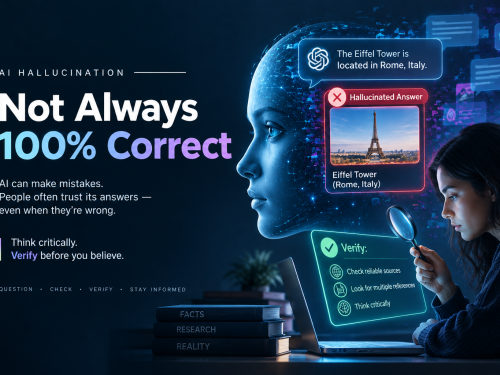
Generative AI aids research, but its fluent hallucinations threaten academic integrity. This study evaluates human detection skills, revealing a major gap between high user confidence and poor error identification. Protecting research requires active verification habits and awareness of automation bias.
-
Humna Nadeem
- Sep 15, 2026
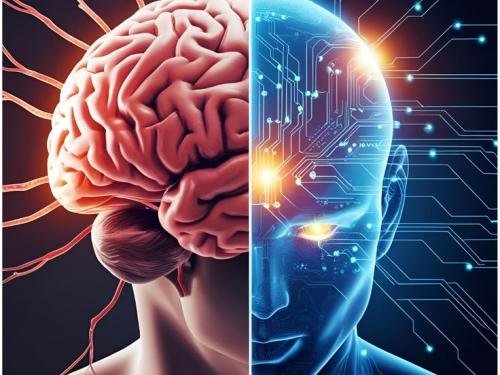
This research examines how confidently presented AI advice affects human decision-making, especially when the AI is wrong. With 50 participants and 250 decisions, it found that people followed AI in 31 cases, including 16 incorrect recommendations. The study highlights the “Selective Obedience Paradox”—people may not blindly trust AI, yet can still follow incorrect advice.


Our mission is to empower students and professionals from all walks of life by connecting them with scholarships, grants, and funding opportunities that can make their academic dreams a reality.